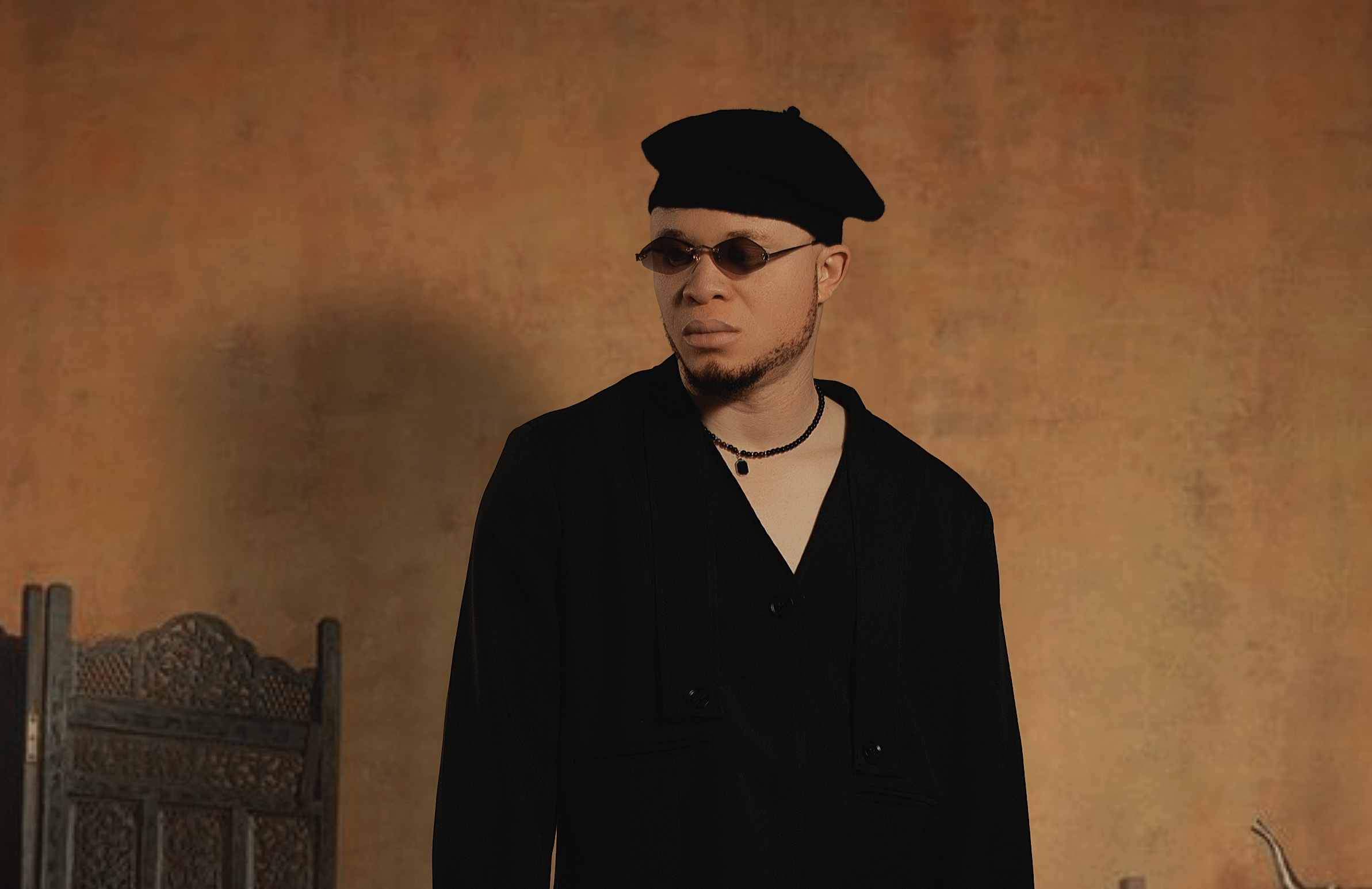
“I Had to Work Twice as Hard”: Shaiboy Speaks on Albinism, Afrobeats, and Building a Legacy
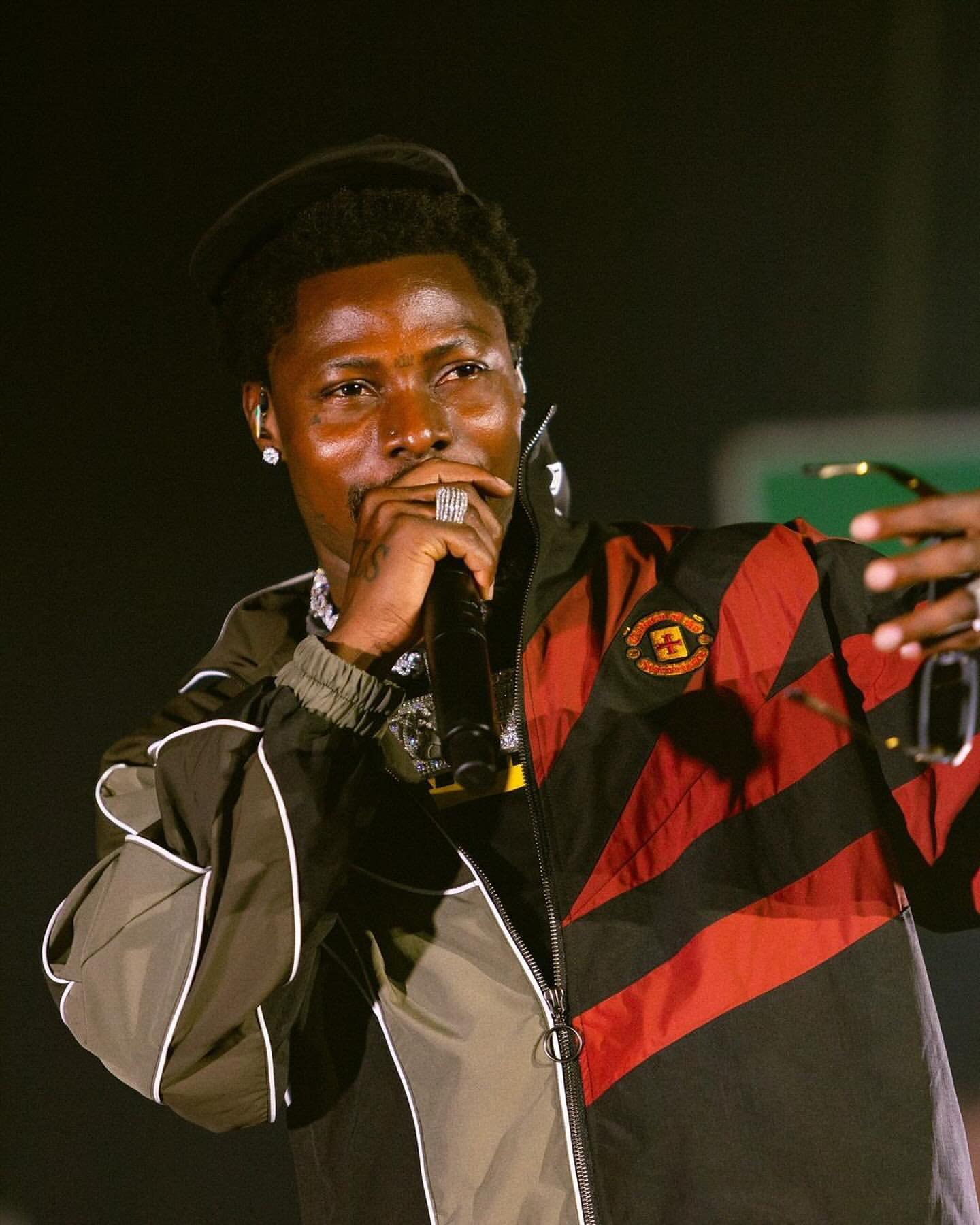
For Shaiboy (Yaya Edamivoh), every chapter of life has been shaped by determination. Living with albinism taught him resilience early, while music remained the constant passion that followed life. Despite not being based in the city centre of Afrobeats, Shaiboy has worked on songs that have resonated with many listeners across like “Capital G.O.D.”, “Ole”, and “Show Me”, to mention some.
In this interview with TurnTable, Shaiboy reflects on the experiences that drove him to his achievements and the legacy he hopes his music will leave behind.
TTC: Before the music and the name Shaiboy, who was Yaya and what shaped the person you've become today?
Shaiboy: I mean, just a young boy from Nigeria that had dreams and aspirations of a future that seemed impossible. My experiences and struggles growing up as a person living with albinism in Nigeria are quite a lot and have determined the person I have become today.
TTC: Growing up with albinism, how did that experience influence your confidence, outlook on life, and the way you approach your career today?
Shaiboy: It goes without saying that growing up in Nigeria as a person with albinism was tough, but I feel like the toughness made me become very immune to negativity. I felt the only solution to it all is to strive twice as hard to succeed. For most people, they’d say it affects their self esteem in some way, but for me growing up didn’t affect it negatively. Rather, it gave me that extra zeal to prove a lot of people wrong and ensure I succeed. It gave a pretty solid foundation and hustling spirit given that I knew I’d have to work twice as hard to achieve the same goals as everyone else.
TTC: You're a PharmD, husband, father of three, and now an artiste. At what point did music go from being a passion to something you wanted to pursue seriously?
Shaiboy: I’ve actually been passionate about music for as long as I can remember. It has always been something I wanted to pursue. I’ve had other passions over the years but I always say other things I do give me joy but I derive the most joy from music. I mean, when you’re doing something you actually enjoy doing, it’s no longer just work or a job. Moving to the US affected my pursuit of a career in music in some way. I had to pause at some point but it never left. I was always going to go back to it and this is why even after eight years in school, I came back to music full-time and even not practicing as a pharmacist.
TTC: Your single, "Capital G.O.D." featuring Jumabee, carried a strong message of gratitude and faith. Why was that the perfect record to reintroduce Shaiboy to listeners?
Shaiboy: Capital G.O.D. is one song I needed in my catalogue. At that point, I felt like it was not only about the good things of life that people wanted to hear songs of but also songs of gratitude. Songs filled with faith. The song basically reactivated my career after not releasing any new songs for about two years.
TTC: You followed that with "Ole," which connected with audiences and even made its way onto major playlists. What do you think made the song resonate with people?
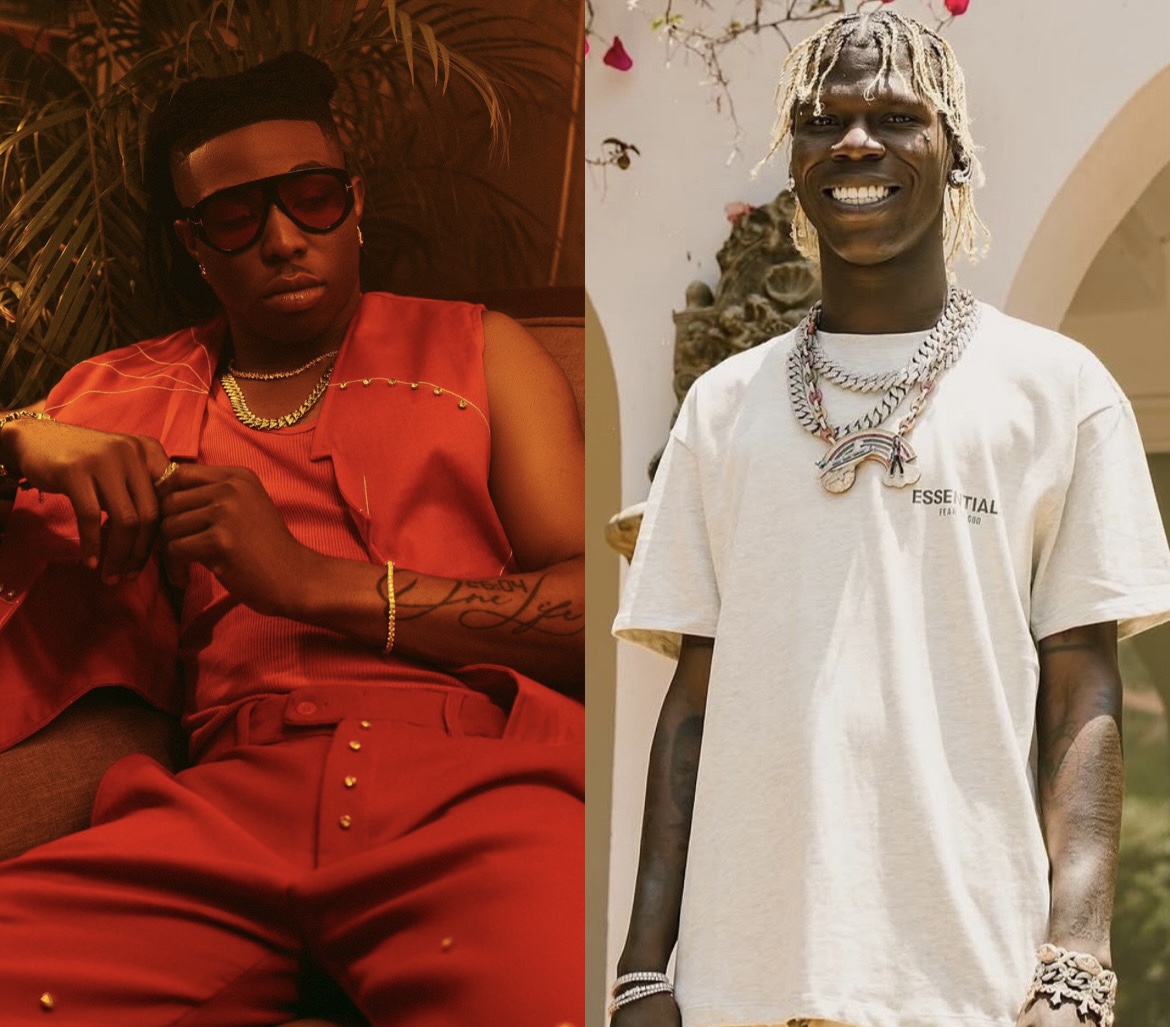
Shaiboy: I wanted to define my sound at the time and also wanted my fans to have something they could move their bodies to at the club. It was a subtle display of versatility as well as a follow up to “Capital G.O.D.” and it was my most successful song before “Show Me” with Oxlade.
TTC: Being based in Arizona while making Afrobeats music, what are some of the realities of being a diaspora artiste that people may not fully understand?
Shaiboy: I feel that at times being called a “yankee artiste” comes with some negative connotations for us. We have so many very talented Afrobeats in the diaspora and it could be challenging being on ground to build a fan base back home. I look forward to being one that blows up from where I’m at. I shuffle between Nigeria and the U.S. but I’m still considered a diaspora artiste. Many also believe that being a “yankee artiste”, you’re coming with some bag and we largely get priced differently.
TTC: You've cited artistes like Fela Kuti, D'Banj, and Davido as inspirations. In what ways have they influenced your sound and approach to music?
Shaiboy: For Fela, it was largely passive listening. Growing up around my dad playing his music a lot. I mean Fela, King Sunny Ade and also Caribbean music. I’ll say those moments and experiences were largely part of my brain development growing up. D’Banj is largely who ignited my passion. I remember when he dropped “Mobolowowon,” I was a young child and I wanted to be him so bad and “Why Me” as well. I loved his stage performance. Michael Jackson as well. Although his felt seemingly unreachable at the time based on his scale.
TTC: Do you ever feel like people underestimate you because you're building your career outside Nigeria, and if so, how do you navigate that?
Shaiboy: Yes. I feel that way and to be honest, that also led to me shuffling between the U.S. and Nigeria. I’ve been to Nigeria about thrice this year and I still have a couple more trips because there’s some truth in there. Unlike the UK, the U.S. market is still quite new to Afrobeats even though we’d like to say it has grown and even dominating, it’s still quite new to a lot of audiences over here. I understand that I’d need to be known in my country before I start chasing the bigger market. They tend to underestimate but overtime, fingers crossed, the result will tell.
TTC: Becoming a father changes many things. How has fatherhood influenced your definition of success and the legacy you hope to leave behind?
Shaiboy: Being a father definitely changed things for me, especially having a 6-year-old that’s still questioning a lot of things. For example, when I shoot videos and he asks who the video vixen in the video is and I have to explain. But beyond that, fatherhood has given me hope and purpose and everything I’m working for is for my family. I kind of feel very successful and I feel that I’m already where I need to be even though I’m still aiming for bigger things and the music is just an addition. And I’m glad to have a growing fanbase and folks enjoying my music. The legacy I’ll love to leave behind is for my voice to be known even for years after I’m gone. For my offspring and the generation beyond to be able to say that’s the voice of someone from my bloodline. You know, the pride that they are from a lineage of hardworking people who have left something important behind. I'd like for my royalties and estate to continue to care for the generations unborn.
TTC: For listeners who may feel different, unseen, or uncertain about their path, what message would you like them to take away from your story and your music?
Shaiboy: I'd like for them to know that they’re not alone. There’s a lot of us, that’s why people like us need to be out there that need to move away from being timid. We should be able to succeed by having people that can be used as references. I was told I couldn’t do anything in the sciences because of my vision and now I have a doctorate degree…same as my music. I still hear things like “albino wey sabi sing.” I mean, I just lack melanin in my skin. It doesn’t take away my talent or my brain. One other thing I'd like to tell someone like me is that there’s always someone that’s probably worse than you and doing better than you. For example, I am visually impaired, but not blind and when I see people who are totally blind but still doing a lot, it drives me. Focus on your strengths rather than dwelling on your weaknesses. Ignore the weaknesses and focus on what strengths you have and live a life through it, pursue it, and make it better. Thank you.