Davido's ‘Oriadé’: The Crown Is Heavy, But It Still Fits
There is a certain vulnerability that comes with listening to a Davido album today. Fifteen years into a career defined by impossible longevity, you no longer approach his music searching for proof of greatness; you search for honesty. You wonder whether the man behind the anthems still has new stories to tell, or if he is simply preserving an empire already built. A career that has survived trends, rivalries and the changing architecture of Afrobeats itself, ‘Oriadé’ arrives not as an attempt to convince anyone of his greatness, but as an exercise in remembering it. It is an album that carries the weight of heritage, there is a calmness to the album that feels unfamiliar in Davido's catalogue. In comparison to his previous album ‘5ive’ which felt like an unnecessary chase for virality or forcing moments engineered for algorithms, this album trusts melody, rhythm and chemistry.It allows songs to breathe, and that patience rewards the listening experience.
From the beginning to end, the sequencing is remarkably fluid. Every transition feels intentional, giving the album an excellently curated experience. Yet, for all its musical confidence, the album's writing may be better, Davido has always understood emotion better than language. He knows how to make listeners feel before he makes them think, and that instinct has built one of African music's most celebrated careers. But ‘Oriadé’ repeatedly settles for serviceable writing when moments demand something more profound. The emotions are genuine, the ideas are present, but they are too often expressed with familiar phrases that never fully capture their potential. An album so invested in legacy deserved words with greater permanence.
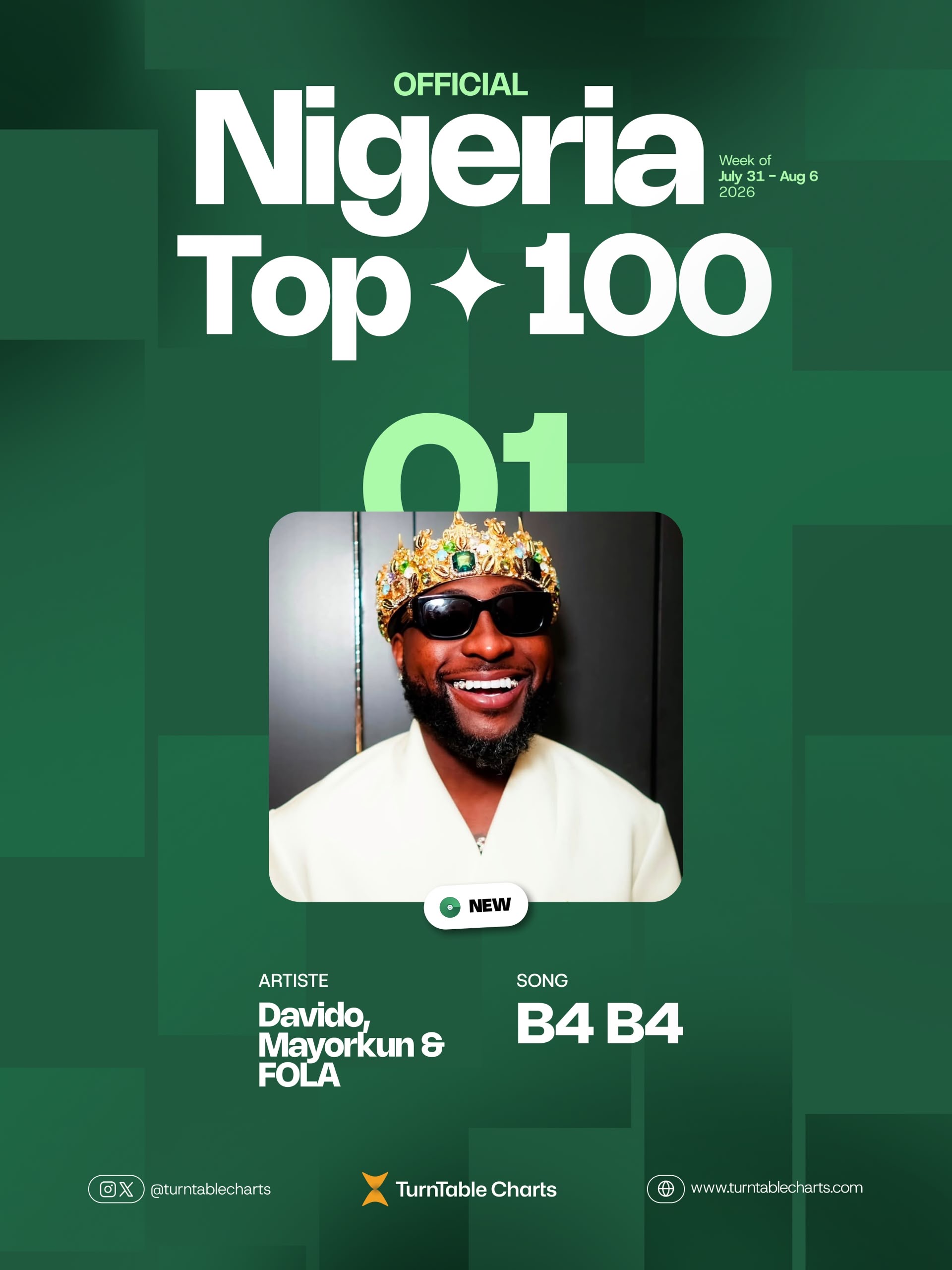
Fortunately, the production doesn't allow the project lose its footing. This is one of the most beautifully produced albums Davido has released in years. Rich Afrobeats percussion, delicate violin arrangements, warm vocal layering, Igbo flutes from tracks like “Amazing Grace,” “Already Falling,” “Julie,” and carefully textured instrumentation create a sonic world that constantly reminds you where this music comes from. Even when global features like Leon Thomas and Aya Nakamura feed into the album, they never erase its African soul. There are moments where Davido sounds completely liberated. His delivery regains the hunger that made him such a compelling performer in the first place, particularly on the more energetic records like “I Know Who I Be,” where his charisma effortlessly takes over. Elsewhere, the softer moments with Llona on “My Light” reveal a more reflective artiste. The numbers on the project are already telling a similar story with over 27 million streams already making the second highest album debut in 2026 and “B4 B4” with Mayorkun and FOLA debuting No. 1 on the chart, Davido reinstates his prowess and capability to define the soundscape.
Perhaps the most beautiful quality of ‘Oriadé’ is that it remembers Africa before it remembers the world. Even while embracing broader pop frames, the album never abandons the musical traditions that shaped Davido into the artiste he became. Its rhythms, melodies and emotional textures consistently point back to home. This writer doesn't think ‘Oriadé’ will be remembered as Davido's definitive masterpiece, nor is it the album that redefines Afrobeats. But not every great record needs to rewrite history. Some simply remind us why history mattered in the first place, this is the sound of an artiste protecting what he has spent fifteen years building while asking what remains worth carrying into the future.