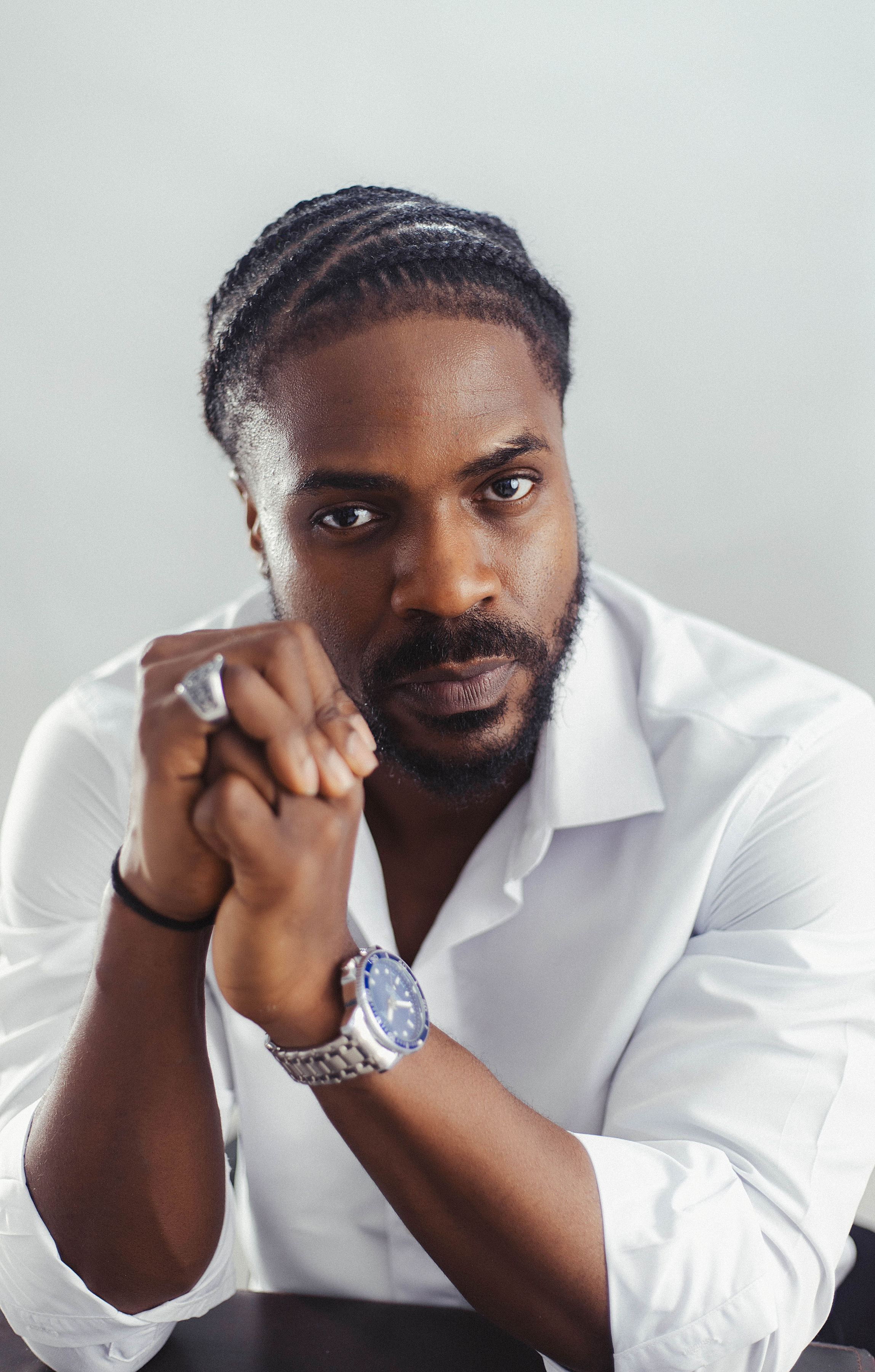
Cinq Music Appoints Ebenezer Akachukwu as Head of Operations (Nigeria)
Over the past decade, Ebenezer Akachukwu has worked across different parts of Nigeria’s evolving music business, from digital distribution to artiste services and major-label structures. That experience now brings him to Cinq Music, where he takes on the role of Head of Operations in Nigeria as the company looks to deepen its presence in one of Africa’s most important music markets.
As Nigerian music continues to expand globally, the industry’s growth has also exposed the need for stronger infrastructure around rights, publishing, catalogue management, data, and artiste development.
In this interview with TurnTable, Akachukwu discusses his new role, the gaps he sees in Nigeria’s music ecosystem, and his vision for building an operation that connects the opportunities in the local market with Cinq Music’s global infrastructure.
TTC: You’ve worked across different sides of the music business over the past decade. What made Cinq Music the right next step for you at this point in your career?
Ebenezer Akachukwu: What attracted me to Cinq Music was the opportunity to combine everything I’ve learned so far with the resources, global infrastructure and ambition of a company that understands the importance of local markets. I see a huge opportunity in Nigeria and across Africa, not just in discovering great artistes, but in building the structures, partnerships and strategies that can help African music travel further globally. Cinq felt like the right next step because it gives me the opportunity to move beyond simply participating in the industry and play a more active role in shaping what the next phase of it looks like. It’s a chance to build, scale and create something that has a lasting impact on African music.
TTC: Nigerian music has become a major global export. From your experience, what are the biggest gaps in the industry’s infrastructure today?
Ebenezer Akachukwu: I think the biggest gap is that the growth of the music itself has happened much faster than the infrastructure supporting the business around it. Nigeria has incredible talent and creativity, but we still need stronger systems around artiste development, rights management, data, publishing, catalog management and long-term career planning. There is also a need for more structured investment into the business side of artistes’ careers. We have become very good at creating hit records, but the next stage is becoming equally good at building sustainable music businesses around those records. I don’t see these gaps as weaknesses as much as opportunities. The industry is still relatively young in its global evolution, and I think the next decade will be about building the systems and institutions that allow African music to scale sustainably, protect the value being created, and ensure that more of that value stays within the ecosystem.
TTC: As Operations Manager (Nigeria) at Cinq Music, what will your role entail, and what are your priorities as you begin this new chapter?
Ebenezer Akachukwu: My role is really about building and strengthening Cinq Music’s presence in Nigeria. That covers the operational side of the business, but also working closely across A\&R, marketing, partnerships and artiste development to make sure we have the right structures in place to grow. One of my immediate priorities is building a high-performing local team and creating clear processes that allow us to move efficiently while still maintaining the global standards and systems that Cinq operates with. Ultimately, my goal is to make the Nigerian operation a meaningful growth engine for Cinq Music — one that is deeply connected to the local market while also helping African music reach audiences and opportunities globally.
TTC: You were part of Freeme Digital when Nigeria’s digital distribution ecosystem was still developing. What has changed the most in the music business since then, and what challenges have remained?
Ebenezer Akachukwu: When I was at Freeme Digital, the digital music ecosystem in Nigeria was still in a relatively early stage. A lot of the conversation was about educating artistes and labels on digital distribution, getting music onto DSPs, and helping the industry understand that digital could become a serious revenue and discovery channel. What has changed most in my opinion is the scale. Streaming is now a fundamental part of how music is consumed, artistes can reach audiences around the world almost instantly, and Nigerian music has become a genuine global export. There is also a much greater understanding among artistes and labels of the commercial value of their catalogues, data and digital presence. What hasn’t changed as much is the need for education, structure and long-term thinking. We still see artistes who have great music but don’t have the right systems around their releases, rights, publishing, metadata, marketing or catalogue management. The industry has grown incredibly quickly, but some of the infrastructure and business practices haven’t always grown at the same pace.
TTC: Cinq Music operates across distribution, recorded music, publishing and catalogue services. How can this wider ecosystem create more value for Nigerian artistes and rights holders?
Ebenezer Akachukwu: The biggest opportunity is being able to look at an artiste’s career and catalogue holistically, rather than treating each release as an isolated product. A successful record can create value in many different ways; through streaming and distribution, publishing and composition rights, licensing, brand partnerships, catalogue opportunities and ultimately the long-term value of the artiste’s intellectual property. When those different pieces are properly connected, you can create significantly more value for both the artiste and the rights holder. Having expertise across distribution, recorded music, publishing and catalogue services means you can identify opportunities that may not be immediately obvious and build strategies around them. That holistic approach is one of the things I find exciting about Cinq. We’re not just looking at how to get music into the market; we’re looking at how to maximize the value of the music and the rights around it, both locally and globally.
TTC: You’ve worked across independent companies, major-label structures and artiste services. How have these experiences shaped your approach to building sustainable music businesses?
Ebenezer Akachukwu: Working across independent companies, major-label structures and artiste services has taught me that there’s no single formula for building a successful music business. Each environment has shown me the importance of balancing creativity with structure, agility with process, and short-term opportunities with long-term value. Ultimately, my approach is to build businesses that are artiste-focused, data-informed and commercially sustainable, where great music is supported by the right strategy, systems and partnerships to create lasting value.
TTC: Rights management and publishing remain areas where many Nigerian artistes and rights holders face challenges. What needs to change, and what role can companies like Cinq play in that process?
Ebenezer Akachukwu: There needs to be more education, transparency and stronger systems around rights, ownership, metadata and royalty collection. Too much value can still be lost simply because rights aren’t properly documented or managed. Companies like Cinq can help bridge that gap by bringing global expertise and infrastructure into the local market, while working closely with artistes and rights holders to ensure their music is properly protected, monetized and positioned for long-term value.
TTC: In the future, what do you want Cinq Music Nigeria to achieve under your leadership, and what would success look like in the coming years?
Ebenezer Akachukwu: I want Cinq Music Nigeria to become one of the most respected and impactful music operations on the continent known for discovering great talent, building valuable catalogues and creating global opportunities for African artistes. Success, for me, would be a strong local team, meaningful industry partnerships, a healthy and growing catalogue, and artistes whose careers have been genuinely transformed through our work. Ultimately, I want us to build something that lasts beyond individual releases or hits.