FOLA’s 9: A Striker at the Peak of His Game
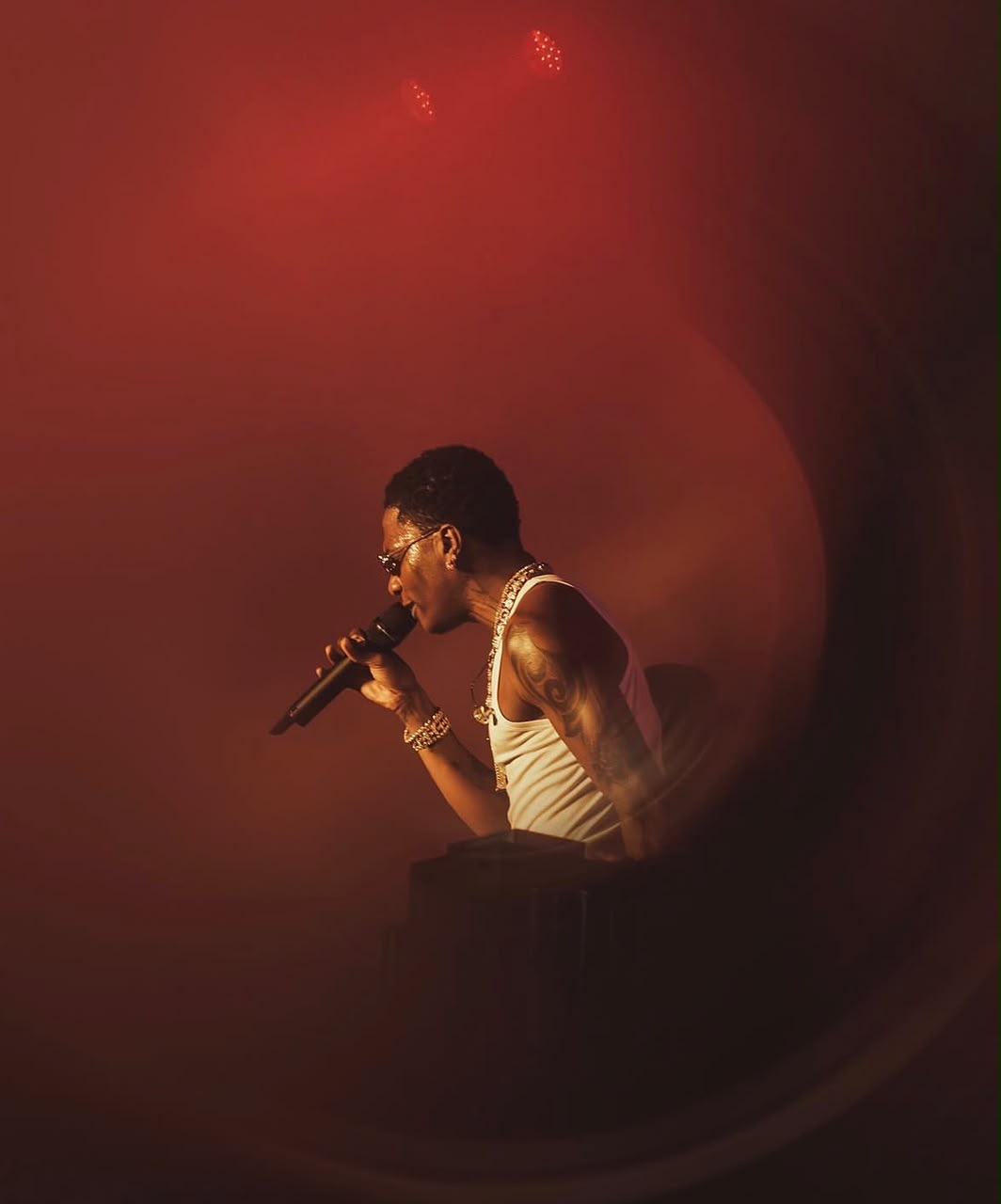
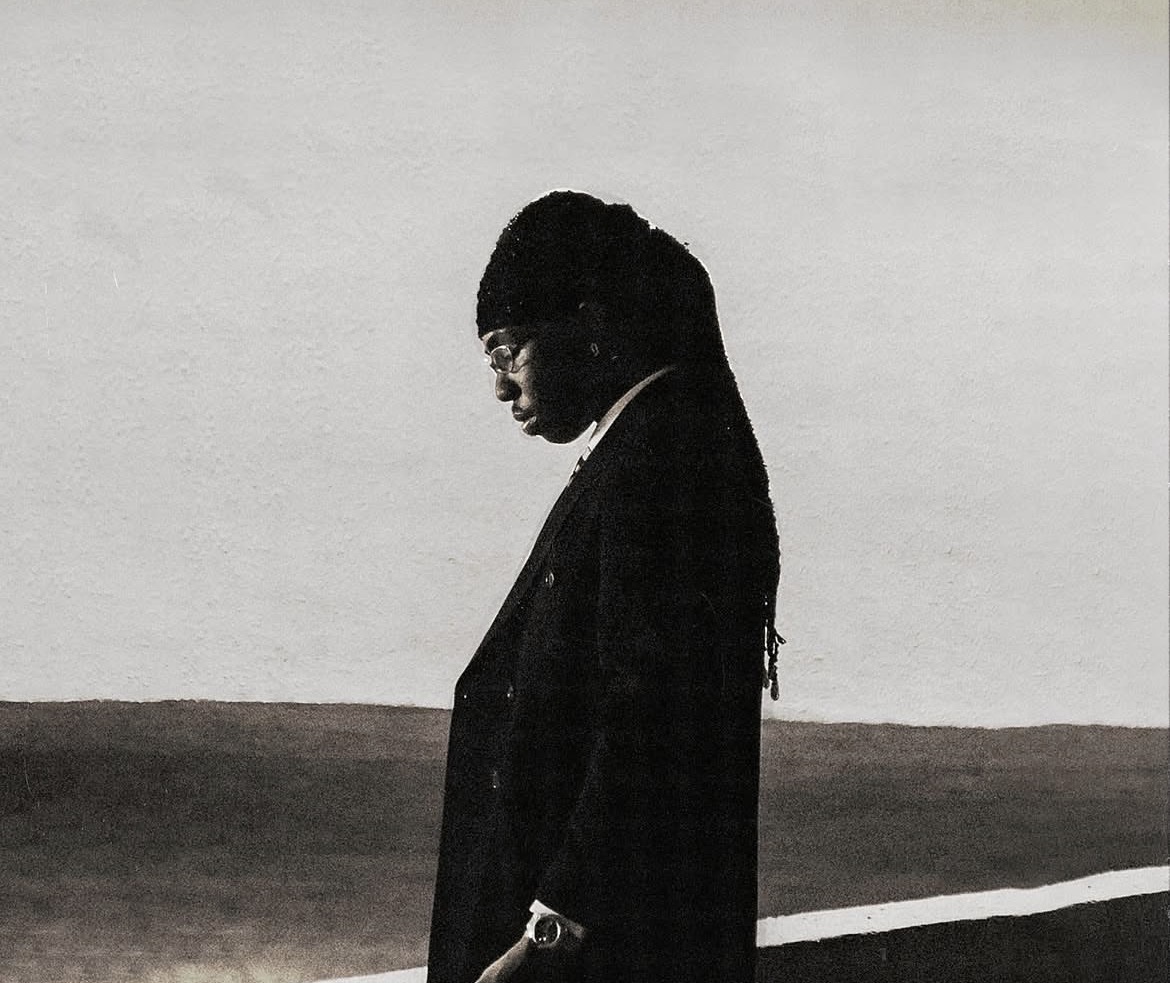
Following an outstanding and exhilarating breakout run since 2025, FOLA returns with 9, his sophomore album and a 14-track statement of artistic confidence featuring six guest appearances from Davido, Ayra Starr, BNXN, Darkoo, Bella Shmurda, and Zlatan, the album arrives at a defining point in FOLA’s trajectory, when the promise of his emergence is gradually giving way to the substance of his staying power. Its title is both a declaration and a metaphor as 9 represents the striker at the peak of his game, the forward who knows where the goal is and rarely misses. It is an apt reflection of FOLA’s run of consecutive hits since his mainstream breakthrough, a period in which he has steadily transformed commercial momentum into a compelling artistic identity.
The album opens with “awade,” ushered in by the unmistakable resonance of the gángan, the traditional Yoruba talking drum whose expressive, conversational rhythm immediately grounds the record in a distinctly indigenous soundscape. FOLA adopts a vulnerable disposition, reflecting on his relevance, expressing gratitude for his progress, and offering prayers for even greater accomplishments. His interpolation of K1 De Ultimate’s “awade” adds another layer of meaning, connecting his present-day ascent to a musical lineage that predates his emergence. That introspection gradually gives way to self-assurance on “how many,” where FOLA turns his attention from the uncertainty of relevance to the labour required to earn it. The line “isẹ́ ojokan, orá maybach” frames his success as the consequence of sustained effort. Set against a measured instrumental, the record draws much of its emotional character from its arrangement: trumpets lend it a sense of grandeur, while eerie backing vocals deepen its reflective atmosphere. FOLA sounds increasingly conscious of what he has achieved, but he is equally interested in reminding his audience of what it took to get there. The inclusion of a clip from Chimamanda Ngozi Adichie’s viral Harvard Class Day speech provides a fitting closing touch.
The atmosphere expands on “2am in toronto,” featuring Davido, as the album begins to loosen its introspective grip and embrace a more expansive, romantic sound. Davido leads the record, his vocals gradually building over delicate guitar strings and piano motifs before FOLA’s entrance introduces traditional percussion and bright trumpet accents. The production is particularly effective in its use of contrast, allowing the instrumentation to evolve without losing the intimacy of the song’s central theme. Both artists sing about devotion, but they approach it from different perspectives. Davido leans towards the material expressions of affection, while FOLA places greater emphasis on attention, care, and the sacrifices that give love its substance. “stubborn” feels almost like an interlude, a moment in which the album deliberately reduces its instrumental density to allow FOLA’s words to occupy the foreground. Here, he speaks with conviction about his intentions towards his partner, his willingness to pay the price for love, and his determination to remain committed despite the opinions of outsiders. The record’s appeal lies partly in its playful directness, particularly in the line, “i guarantee your ponmo, let me be your maggi, be your knorr, make I taste that jollof.” the culinary imagery is humorous and suggestive, but it also reflects FOLA’s ability to communicate intimacy through familiar cultural references rather than elaborate declarations. Beneath the cheekiness is a straightforward promise: he wants to be indispensable to the person he loves, the ingredient that makes the experience complete. That devotion takes on a more vulnerable form on “Miss You II,” where the album’s romantic narrative shifts from the assurance of commitment to the discomfort of absence. FOLA finds himself caught between memory and anticipation, replaying moments with his lover while imagining a future that cannot yet be experienced. His line, “Like jollof, I go need your plate,” extends the album’s recurring culinary imagery, transforming a playful metaphor into an expression of emotional dependence. He is not merely missing someone; he is imagining the life they could share, from wedding plans to the countless details that give a relationship its shape. In this sequence, “Stubborn” and “Miss You II” operate as emotional counterparts: one expresses the determination to hold on, while the other reveals the vulnerability that makes holding on necessary.
One of the album’s most energetic moments arrives with “In Order,” a record that shifts the atmosphere decisively towards the dancefloor. The percussion becomes more animated, the trumpets blaze with renewed urgency, and FOLA rides the instrumental with an ease that demonstrates his ability to adapt his melodic instincts to a more kinetic arrangement. It is one of the album’s defining moments because it introduces a different kind of conviction. FOLA returns to his R&B sensibilities on “waf” and “Crime,” two records that foreground the melodic instincts that have helped distinguish his music. “crime” is particularly notable for its sampling of 2Baba’s classic “If Love Is a Crime,” a reference that gives the song an immediate sense of familiarity while allowing FOLA to reinterpret its romantic premise for a new audience. The sample is deployed with impressive effectiveness, preserving the emotional recognition associated with the original while giving the record a distinct contemporary identity. Its addictive chorus is the kind of melodic construction that can linger long after the song has ended, and it is easy to imagine listeners returning to it for that reason alone. That balance between familiarity and individuality continues on “My Type,” his fourth collaboration with BNXN. By now, the pair have established a shared musical chemistry that makes their records easy to consume. Once again, the result is a melodic face-off, with BNXN delivering a memorable chorus and FOLA responding with a verse that celebrates plus-size women.
“Hold U Down,” featuring Darkoo, occupies more familiar territory within the album’s romantic landscape. Its thematic direction is consistent with the record’s broader exploration of affection and commitment, although its opening moments risk settling into a formula that the album has already explored. For a moment, the song feels as though it might become a pass but FOLA’s second verse, however, introduces a welcome resurgence of energy, revitalising the record and giving it a stronger sense of forward motion. FOLA has developed a recognisable vocabulary for expressing romance, and that familiarity is part of his appeal. Yet when similar themes recur across multiple records, the distinction between continuity and repetition becomes increasingly important. “Hold U Down” recovers some of its individuality through its latter movement, even if it does not entirely escape the familiarity of its premise.
The album closes with “It’s Over,” featuring Bella Shmurda and Zlatan, a fitting conclusion to a project that has spent much of its runtime negotiating the relationship between achievement and gratitude. The song turns towards protection, grace, and appreciation, allowing the album to conclude on a note of acknowledgement.
Ultimately, 9 is an album about a star learning to inhabit the possibilities created by his own success. Its greatest strength is FOLA’s ability to move between vulnerability, chest thumping, romance, cultural expression, and groovy melodies without losing the qualities that made his emergence compelling. The album’s production and guest appearances expand its sonic landscape, but its identity remains anchored in FOLA’s melodic sensibility and his instinct for translating familiar emotions into accessible musical experiences. There are moments when its thematic consistency edges towards repetition, particularly in the romantic passages, where variations of the same emotional premise occasionally threaten to blur together. Yet this limitation also points towards the next stage of his development: the challenge is no longer simply to establish a recognisable sound, but to discover how many different dimensions that sound can accommodate without becoming predictable. The title 9 invites the image of a striker at the peak of his powers, but the more compelling interpretation is that of an artist who has learned how to convert opportunity into momentum. FOLA’s run of hits has established his arrival, but sustaining that trajectory requires more than the ability to score; it demands an understanding of timing, positioning, patience, and the collective effort behind every decisive moment. FOLA displays many of those instincts here. He knows when to be vulnerable, when to assert himself, when to invite collaborators into his world, and when to allow a melody to carry the weight of an entire song. For a singer whose mainstream ascent has been so striking and dominant, this sophomore album is solid enough and exudes enough potential to not only keep him at the top but also scale him higher.